This follows a press release from the Department of Transport is good news for local authorities to manage any poor behaviour by e-bike users.
The rationale is to:
- Bring about new national standards to improve shared e-bike schemes, with clear rules for operators, riders and councils
- crack down on nuisance parking and antisocial behaviour to keep pavements clear and make journeys safer
The government outline that shared e-bikes, such as Lime, Voi, Beryl, Dott, Forest and Bolt, are an increasingly popular way to get around, making short journeys quick and convenient. New rules proposed by the government today (5 November 2026) would help make these schemes work better for everyone.
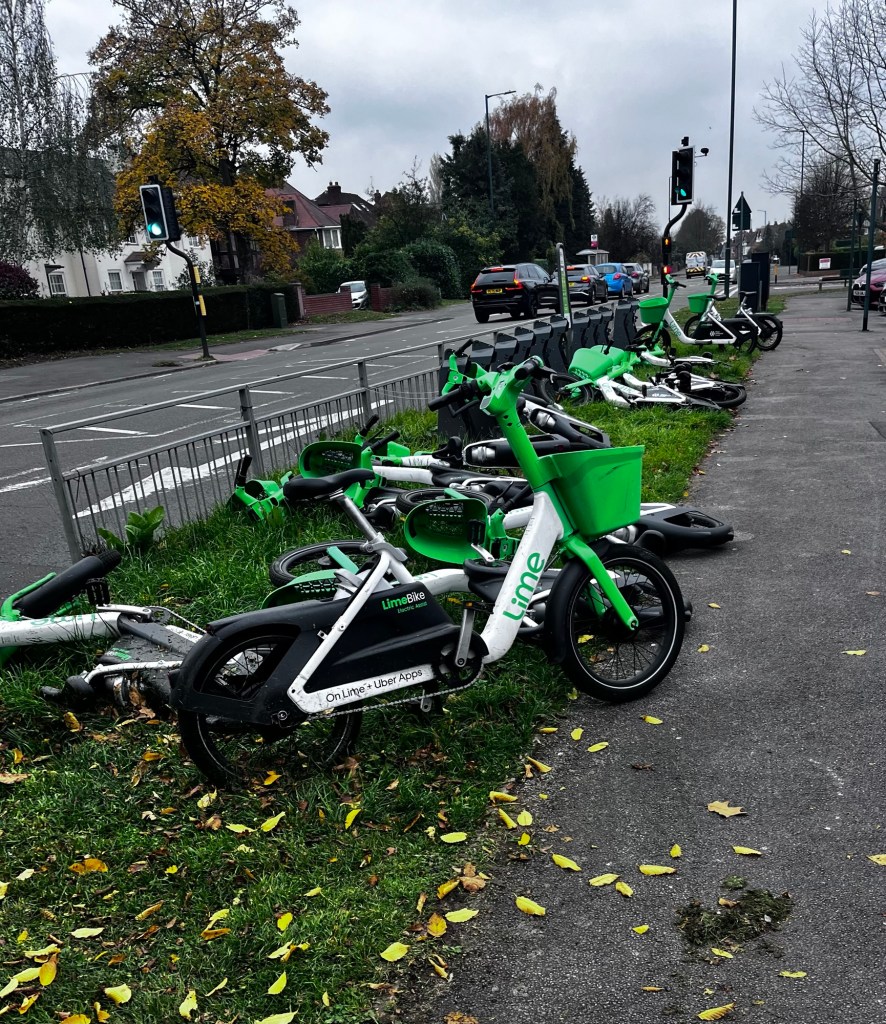
Local leaders will be able to licence schemes in their area, allowing them to enforce minimum standards and better integrate e-bikes into existing transport networks. The shared cycle scheme consultation, launched today, sets out proposed national standards to make journeys safer for everyone and keep pavements clear, particularly for wheelchair users and families with prams.
Measures include:
- a parking plan – so they aren’t inconveniencing the public
- a plan for antisocial and illegal behaviour – to prevent users riding shared cycles drunk, underage, or on pavements, and setting out clear consequences such as fines for this behaviour
- fleet management plans, defined fleet sizes and operating areas – so bikes aren’t overcrowding streets
- a fleet maintenance plan – so that cycles are always safe to use
- potential insurance requirements for operators so people can claim compensation if they’re hit by someone on a shared cycle.
The government is also consulting on whether local leaders should have extra powers, including setting fees and requirements for operators to share data to improve enforcement and journey planning. This will mean people can be confident their bike will work when they need it and that bikes will be available in the right places without cluttering up streets.
Shared cycle scheme licensing:
The full consultation and explanatory notes can be found via this link:
The topics covered include Parking and public obstruction plans, Fleet sizes,
Maintenance and safety standards, Data sharing requirements and insurance, Licensing fees and penalties. But they haven’t made in easy for us – with 100 questions.
The comments from the Royal National Institute of Blind People (RNIB) is correct when they say:
‘Dockless e-bikes are heavy, fast, silent and unpredictable. An astonishing 92% of blind and partially sighted people tell us they have had to walk into the road due to street obstacles such as e-bikes.
We are glad the government is recognising this issue and putting forward plans to tackle it. But tackling rider behaviour will be difficult, and it’s vital the desire for local flexibility doesn’t lead to a patchwork of regulations and inconsistency in implementing them. Everyone deserves to feel safe.
We urge the government to listen to blind and partially sighted people and work closely with operators and local authorities to make sure regulations successfully reduce the risk these bikes pose to people with sight loss’.
Similarly, the comments from Chris Boardman, National Active Travel Commissioner, said:
‘Be it bikes, bins or cars, blocked pavements are unacceptable, particularly when they prevent disabled people from getting around safely. We absolutely need to sort this out. That’s why I’m delighted the government is stepping in to give local leaders the powers they need to tackle the problem and make sure these schemes work for everyone.
But we shouldn’t lose sight of the bigger picture. Shared bike use is booming, and that’s exactly what we want to see – affordable, healthy, low-carbon transport, available when you need it. Whether it’s a short hop across town, the daily commute or an unplanned journey, shared bikes offer predictable journey times and another option when other transport is disrupted.
The demand is clearly there. Now we need to manage that success properly, keeping pavements clear while enabling even more people to enjoy the benefits.’

